The Pale Blue Dot, image taken by the Voyager 1 Spacecraft on 14 February 1990, shows planet Earth from a great distance. From this long perspective our planet looks like a small, fragile particle of dust in an immensely vast space.
The famous Blue Marble image, taken by the crew of Apollo 17 in 1972, represents the first photograph in which Earth is in full view: it ‘zooms in’ on that pale blue dot. Blue Marble was the first image to invoke what is known as ‘the overview effect’, a significant milestone for the environmental movement, wherein images of Earth from space enable people to perceive it as a fragile ecosystem. Climate change is one of the greatest challenges we humans currently face. It affects our immediate habitat: heating ecosystems, destroying biodiversity, and more. This is a catastrophe that requires us not only fundamentally to change our systems, our habits, and our desires, but more importantly, also to amend our self-image and to acquire humility in our relations with human and nonhuman others. These necessary changes will remain difficult for as long as views that separate the human from the planetary dominate. We need to move from an anthropocentric world view to a post-anthropocentric worldview, from an outsider perspective to an insider perspective… farewell to the Blue Marble view.
Alternative visualisations are needed to initiate a switch in perspective. This is a role for design and design education.
The workshops had different iterations –more details below:
*2024, Various workshop as part of the The Garden that Sees, Smells, and Hears. CARADT, Avans University of Applied Sciences.
and:
*April 2025, Wild Pedagogies, being at home in the world. Workshop at Compos(t)ing: Regenerative Creative Practice Symposium. Together with Ruben Jacobs from HKU Art and Economics, and Anke Jongejan from HKU School of Design. (see below)
*April 2025, Garden Encounters at CARADT’s Studium Generale. Together with researcher and artist Jochem van Laarhoven. (see below)
Wild Pedagogies, being at home in the world, workshop at Compos(t)ing: Regenerative Creative Practice Symposium. Together with Ruben Jacobs and Anke Jongejan.
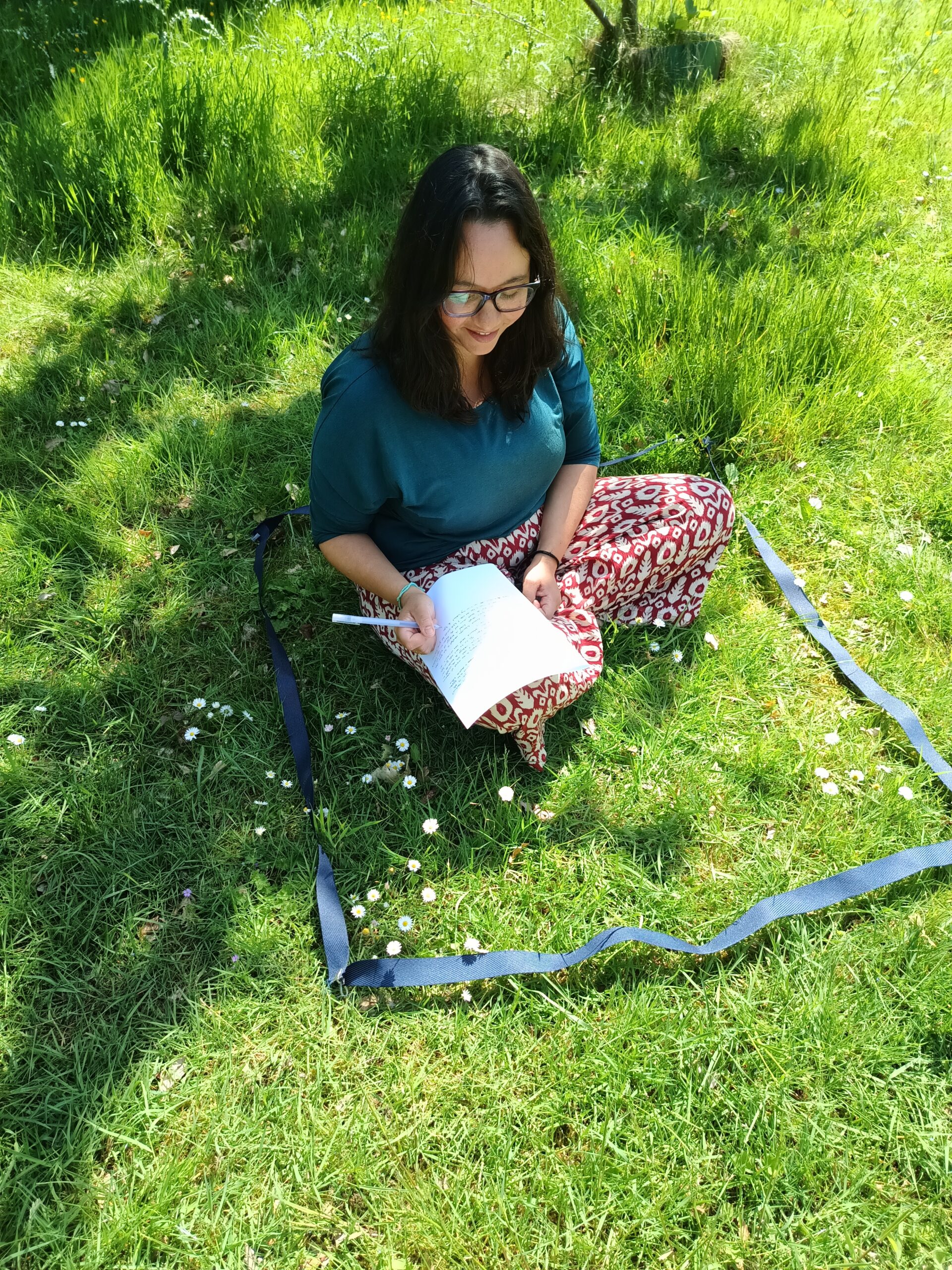
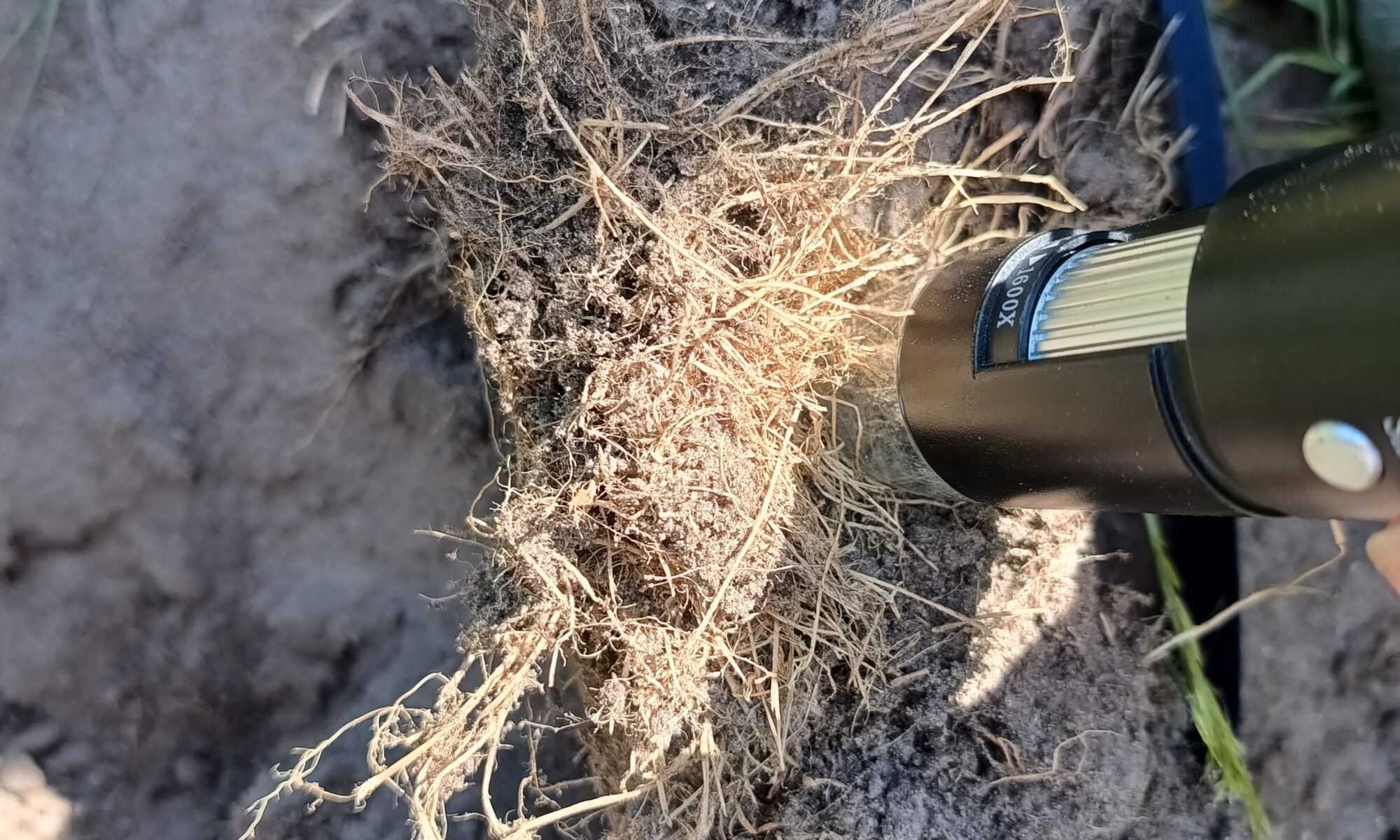
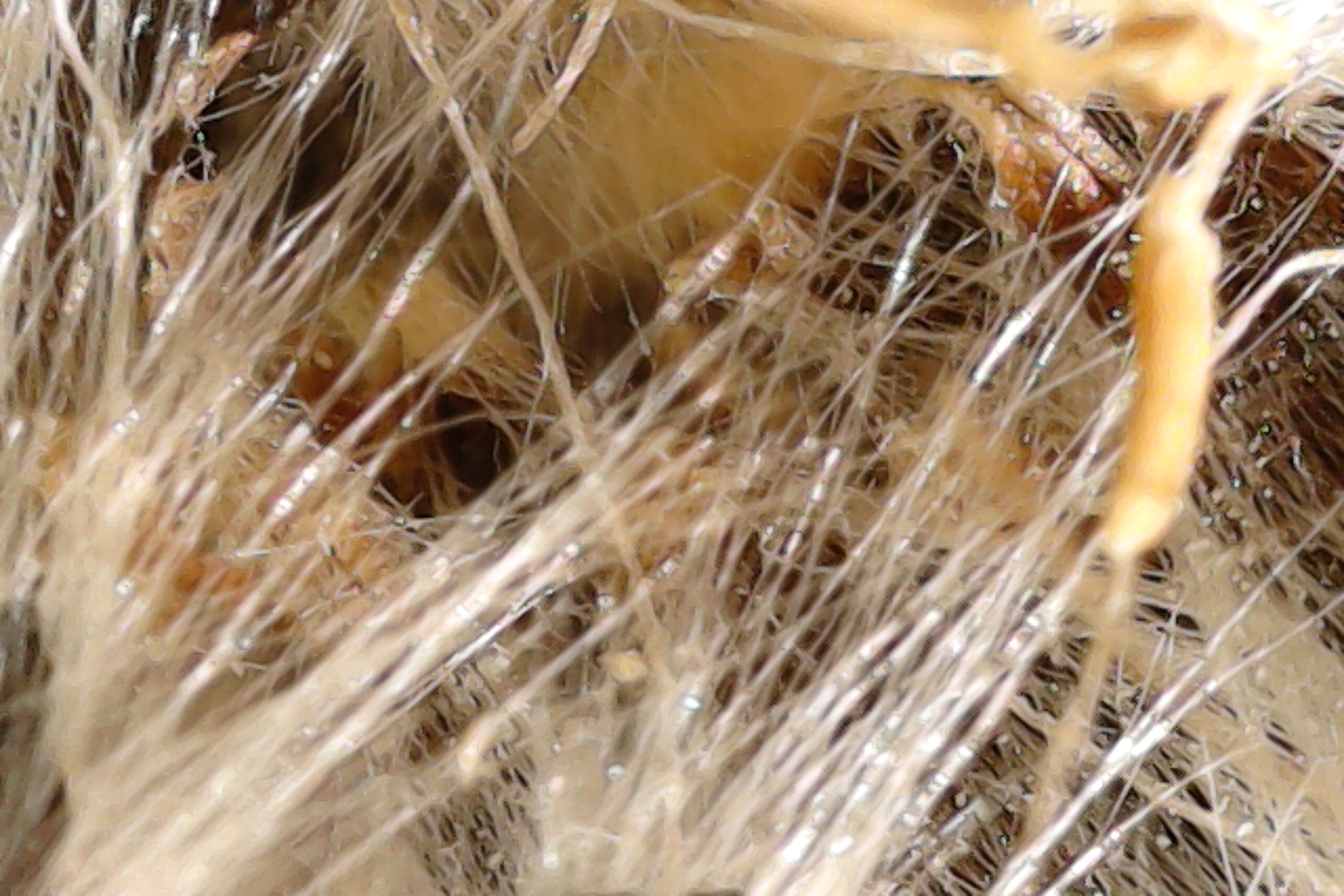
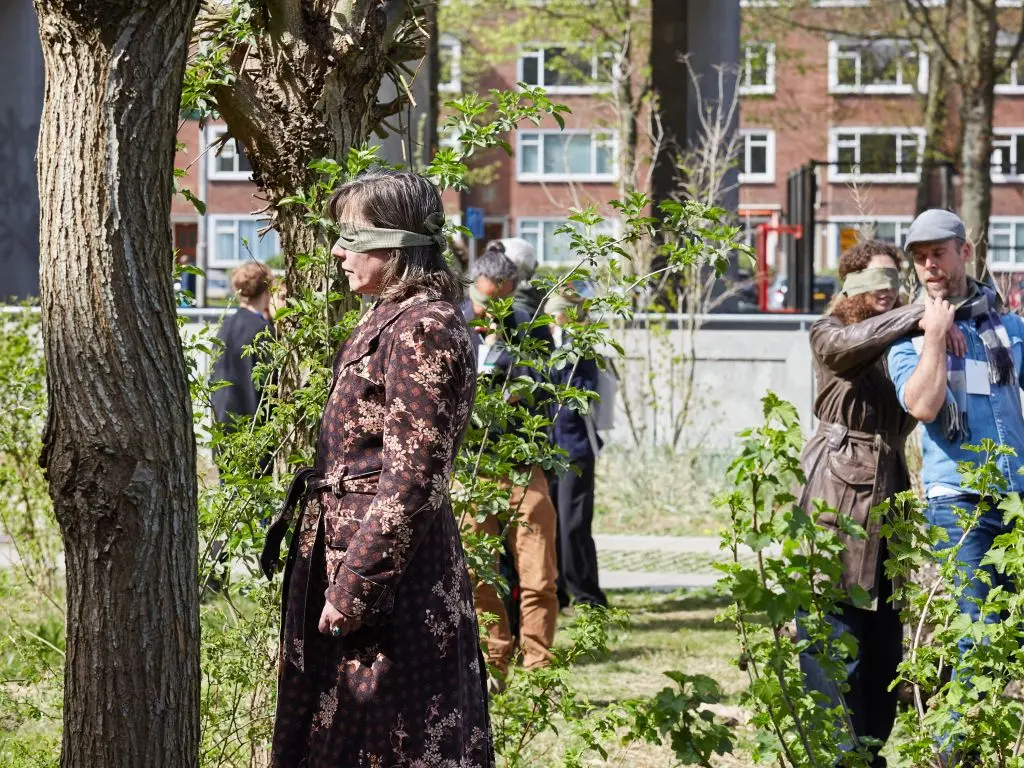
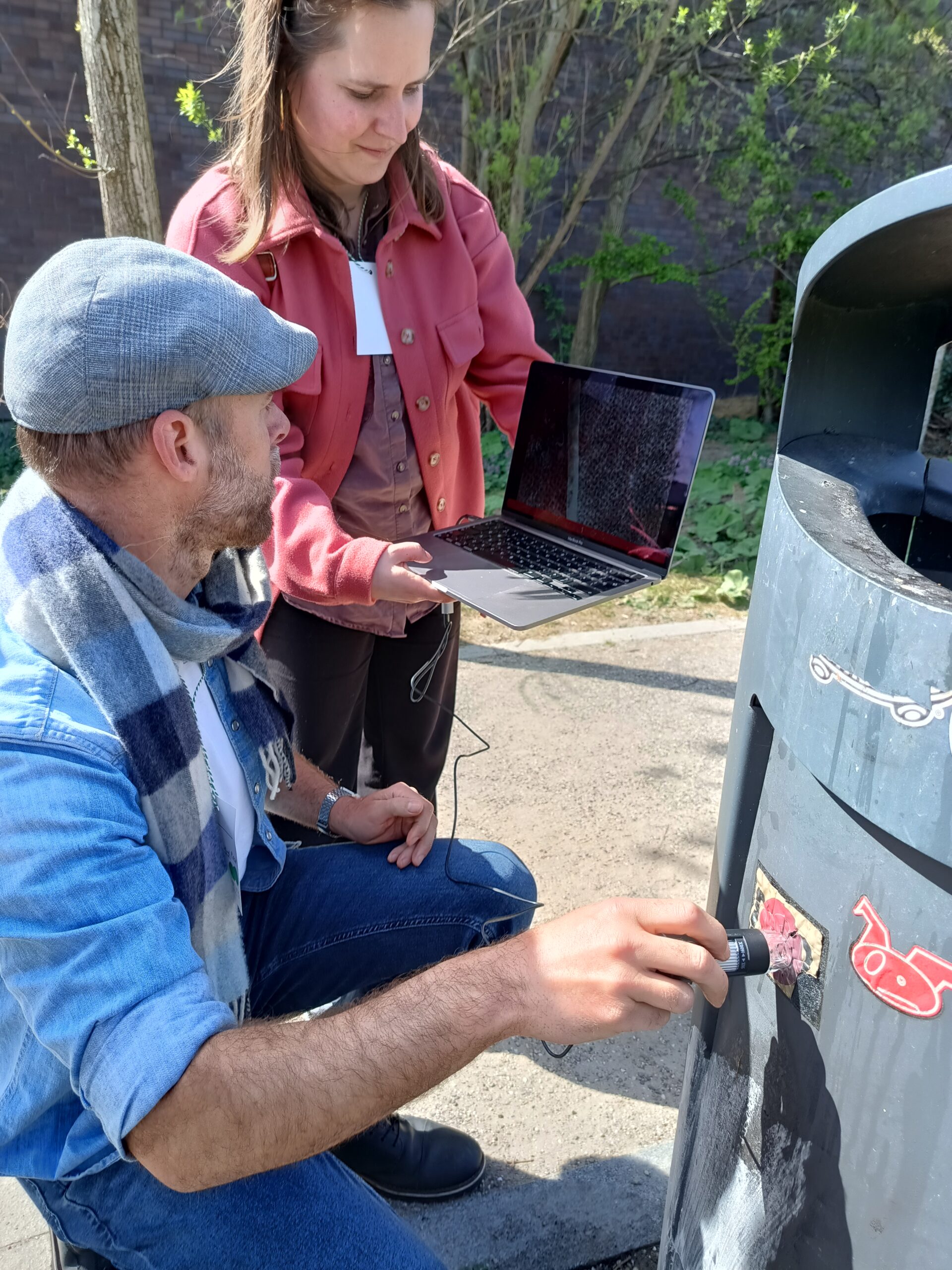
This session took place outside the institute. Being embedded in a specific place—feeling at home in a natural environment—can open a sense of wonder. In this session, we invited participants to observe beyond sight. Blindfolded, they smelled, listened, and felt their surroundings for more than half an hour. Afterwards, they carefully observed the environment through sight, using a digital microscope to amplify perspectives from within.
Garden Encounters
Together with researcher and artist Jochem van Laarhoven, we hosted Garden Encounters at CARADT’s Studium Generale. We invited participants to “listen about, with, and through the garden and its inhabitants.”
The session took place within –the living ecosystem of the– St. Joost academy garden. Through close observation and collaborative soil mapping, participants explored one square metre of earth in detail—discovering the tension between care and ownership, and asking what it means to relate ethically to more-than-human life.
By “zooming in a thousand times,” the workshop prompted a shift in scale and perspective, encouraging participants to meet the garden not as observers, but as being part of it.