
DUST CABINET
2012-2014
Dust connects to you in the most sensitive tactile way. Dust is in the air you breath, and is the matter you are connected with, through your skin all day long.
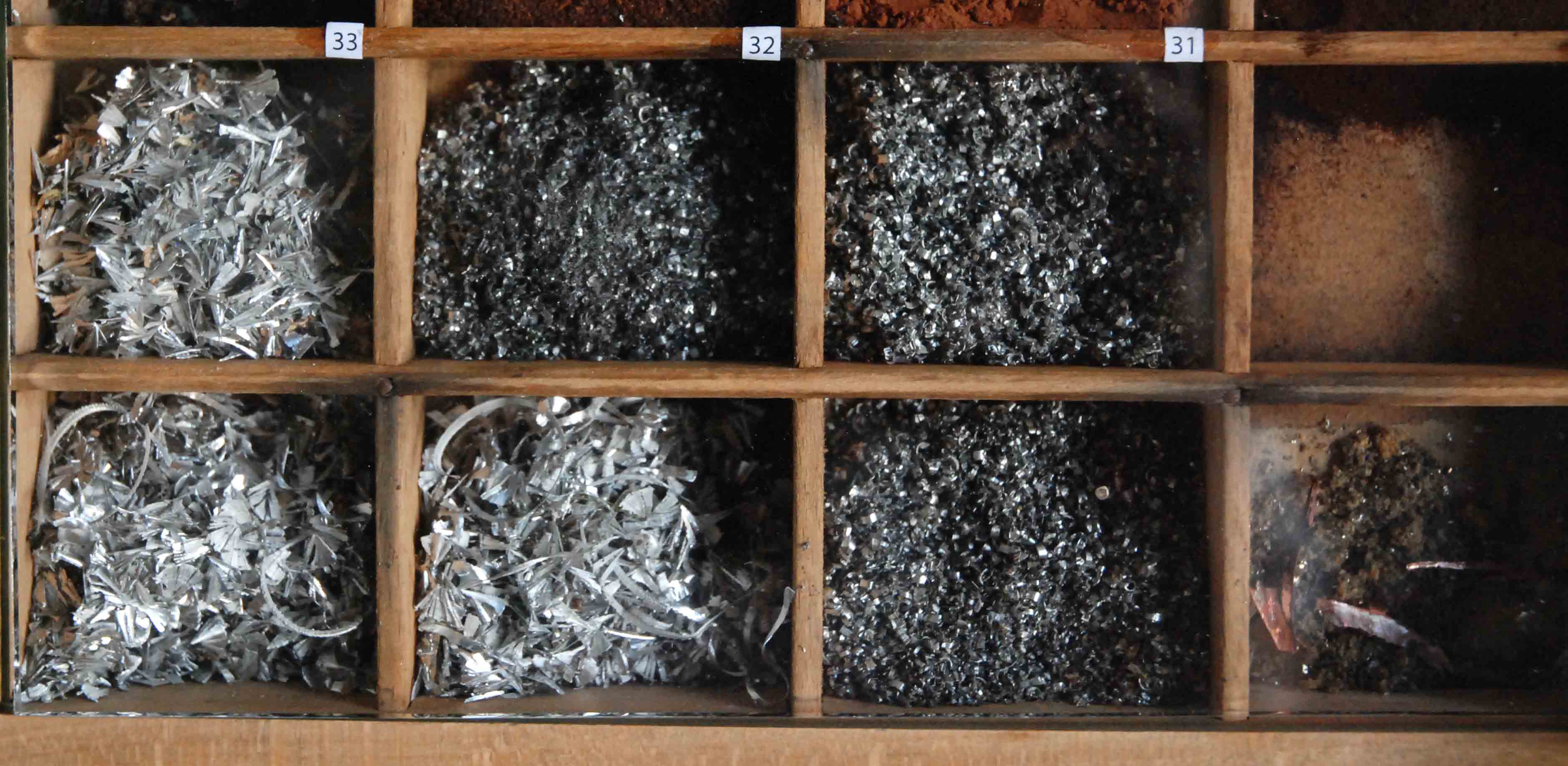
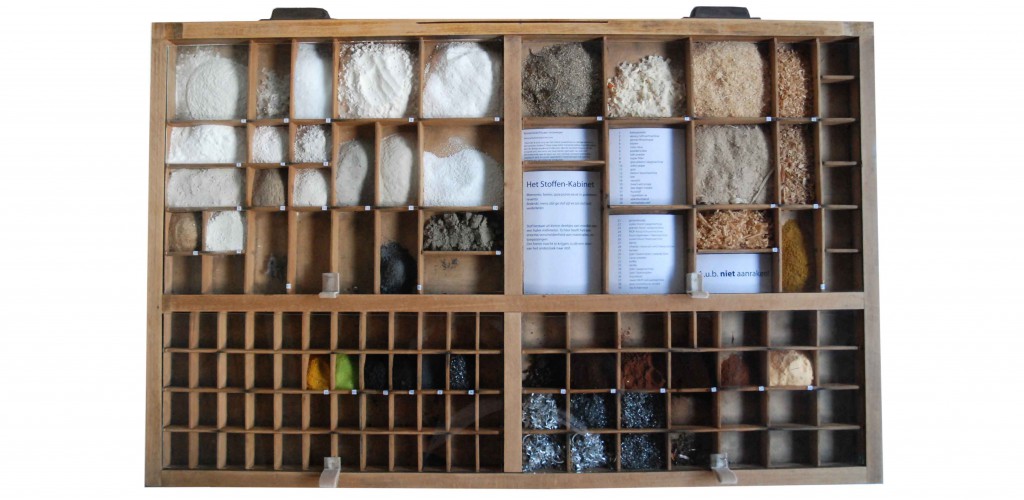
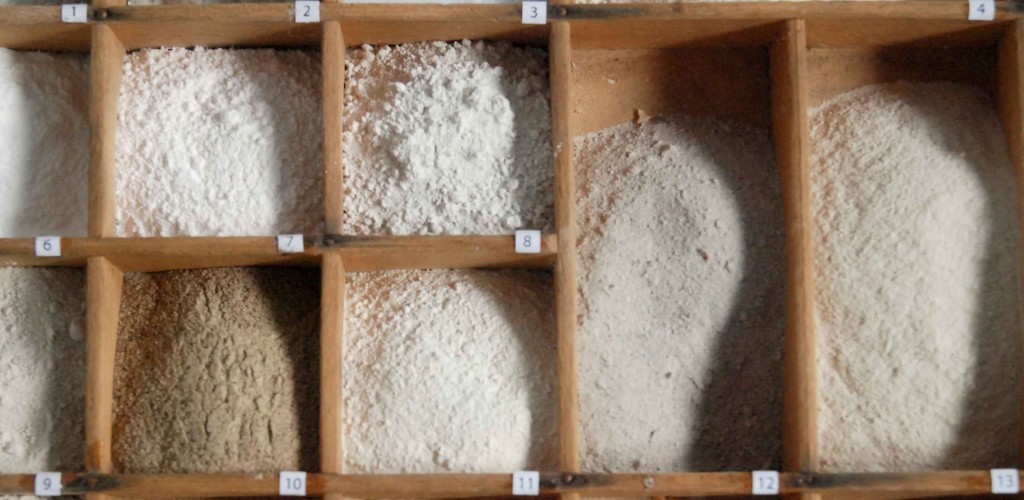
This research by design led to a lecture and the creation of a “Dust Cabinet.” The project aimed to explore and shift perceptions of dust, highlighting both its positive and negative impacts. It included stories about how dust influences ecosystems, such as global dimming’s cooling effect on Earth and the vibrant colors dust can create in sunsets; dusty sunset have gorgeous orange and yellow colors. I would miss them, if air pollution could be solved! The “Dust Cabinet” catalogs various types of dust, examining their consistency, material qualities, and visual characteristics. How does the dust respond from different material resources. Is there a visual quality? What is the potential of dust as a material? etc. This exploration into dust’s potential was later applied to other Studio Dust projects.
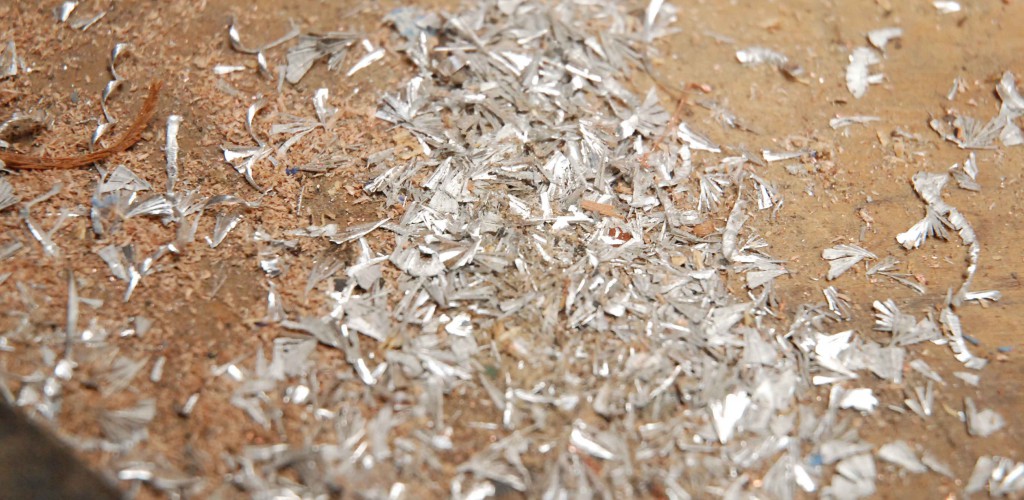
A selection of short stories:
- Charles Darwin collected dust that he found on the ‘Beagle’. He was amazed to find this dust in the middle of the ocean, and was wondering how this dust could have traveled so far. Samples of this 200 year old Darwin´s dust remained and resulted in a research about the origin of this dust. In the research the scientist discovered the consequence it has on planetary microbial ecology. Microbes (bacteria and fungi for example) get attached to the dust particles and are able to travel long distances from the Sahara to the Amazon. This research gives an understanding in intercontinental spread of micro-organisms on land and in the oceans. Dust plays a very important role in the ecological system on earth!
- Another story that show the impact of such small particles on a global scale is the story ‘year without summer’. Volcanic dust that is released during a volcanic eruption can have enormous effect worldwide. The dust particles can block the sun light, causing a temperature drop during a period of time. 1816 Was the ‘year without summer’, due to an eruption of an Indonesian volcano. This resulted in snow in the summer in Europe. The lower temperatures caused bad harvest and food shortage and global famine. The perfection of the invention of the bicycle, became necessary due to the food shortage, since there was no food for feeding the horses, so other ways of transport became necessary. The dust in the air also resulted in beautiful orange sunsets (painted by JMW Turner). The color of the sunset is influenced by dust in the air.